











How to use gorilla bars
Use our Gorilla Bars to build grip and upper-body strength with scalable bodyweight moves from hangs to swings and pull ups, plus tips on safe technique and progression.
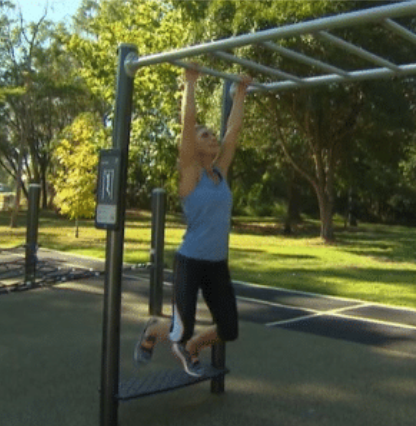
Build upper body strength with outdoor fitness
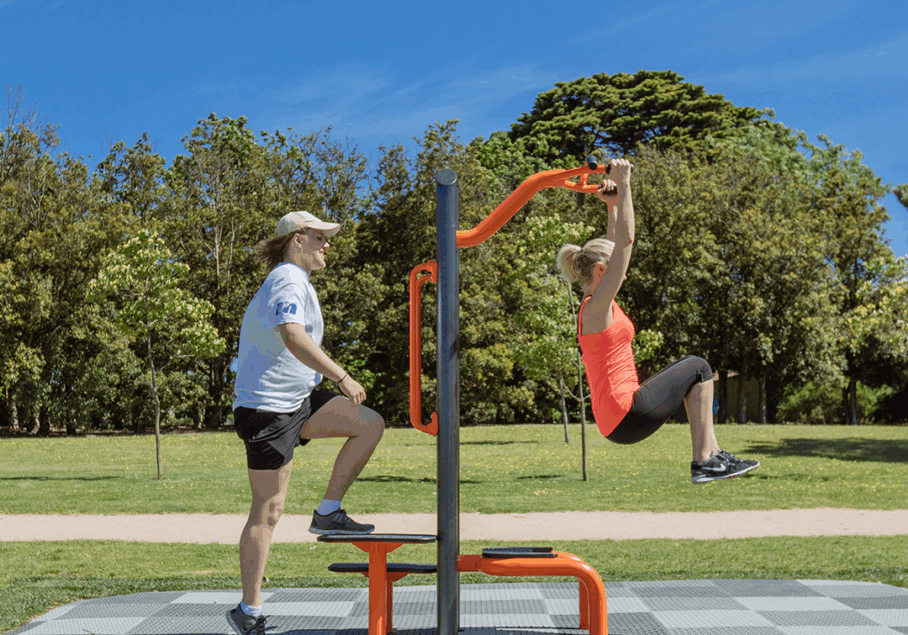
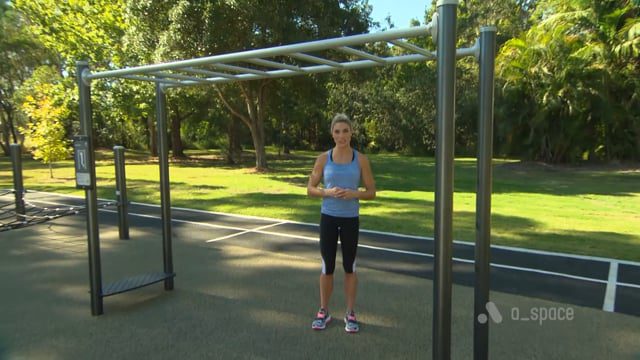
Gorilla bars are a standout feature in many outdoor fitness parks—and for good reason. Also known as monkey bars, they’re a fun, challenging, and highly effective way to build grip strength, upper body power, and coordination. Whether you’re swinging through a full set or just working on hangs, gorilla bars offer scalable options for all ages and fitness levels.
Used regularly, they can improve functional strength, support mobility, and even boost confidence as you progress toward more advanced movements.
What muscles do gorilla bar exercises work?
Gorilla bars are deceptively simple, but they activate multiple muscle groups at once. Key muscles targeted include:
- Lats and upper back (latissimus dorsi, rhomboids) – engaged during hangs and swings
- Shoulders and deltoids – stabilise your arms during movement
- Biceps and forearms – essential for pulling and grip strength
- Core muscles – work constantly to stabilise your body
- Chest and triceps – involved in transitional movements or pull-up variations
This makes them an excellent tool for building bodyweight strength without the need for equipment beyond the bars themselves.
Technique tips: How to use gorilla bars safely
Depending on your fitness level, there are several ways to approach gorilla bars. Start with these foundational movements:
Dead hang (beginner):
- Jump or step up and grip the bars with palms facing forward.
- Let your body hang fully extended, keeping shoulders active (slightly pulled down).
- Engage your core and hold for 10–30 seconds.
- Step down carefully when done.
Swinging traverse (intermediate):
- Begin in a dead hang, then gently swing your body forward and back.
- Shift your weight and reach one arm to the next bar.
- Continue swinging and reaching, one bar at a time.
Pull-ups (advanced):
- From a dead hang, engage your lats and pull your chin up above the bar.
- Lower down with control.
- Repeat for 3–6 reps if able.
Always warm up your shoulders and wrists before starting. If you’re a beginner, even short hangs can help develop the strength and mobility needed for more dynamic movements.
How many sets and reps?
Your volume will depend on your strength level and chosen exercise:
- Beginners: 3 sets of 10–20 second dead hangs
- Intermediate: 3–4 sets of 1–3 swings across the bars
- Advanced: 4 sets of 3–6 pull-ups or full traverses across the bar set
Rest for 60–90 seconds between sets, especially if you’re working on grip or pull-up strength.
How to scale your workout
The beauty of gorilla bars is their adaptability.
Make it easier:
- Use a resistance band to assist with pull-ups
- Perform partial traverses (e.g. 2–3 bars instead of the full set)
- Focus on static holds like dead hangs or flexed-arm hangs
Make it harder:
- Try full-length traverses or return trips
- Add pull-ups, leg raises, or core holds mid-way
- Practice one-arm hangs (with caution) to improve grip endurance
If you’re aiming to build toward more advanced calisthenics, gorilla bars are the perfect training tool.
Common mistakes to avoid
- Shrugging shoulders: Keep shoulders engaged to protect your joints
- Holding your breath: Breathe steadily during hangs and swings
- Relying on momentum: Swing with control to avoid strain
- Over-gripping: Relax your grip slightly between bars to conserve energy
Progress takes time, especially with grip and upper body strength. Consistency is key.
Why gorilla bars are great for outdoor training
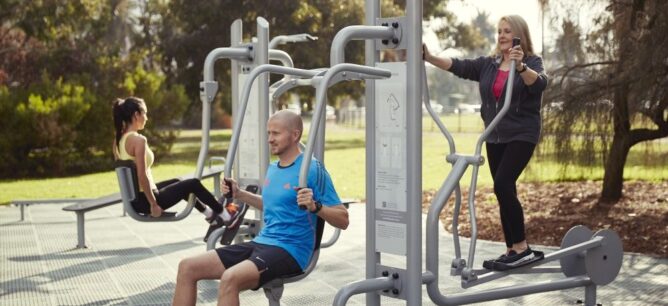
Gorilla bars are engaging, functional, and fun. They encourage movement that mimics natural climbing patterns and can be incorporated into a variety of training styles—whether you’re doing a circuit, parkour, calisthenics, or kids’ play. Plus, they help build one of the most overlooked elements of fitness: grip strength.
Installed in parks and community spaces across Australia, ASpace gorilla bars are built to withstand heavy use and all-weather conditions, making them a smart investment in community health and movement.
Getting started
If you’re new to gorilla bars, start small. Practice 10–15 second hangs a few times a week, then slowly introduce swings or assisted pull-ups. You’ll be surprised how quickly strength builds when you stay consistent.
Want to explore more ways to move outdoors? Check out the full Exercise guide for step-by-step videos and training ideas.
View all exercise guides